
Why Selling Your Scrap Packaging Beats Landfill Disposal: A Cost & Sustainability Analysis
Overview
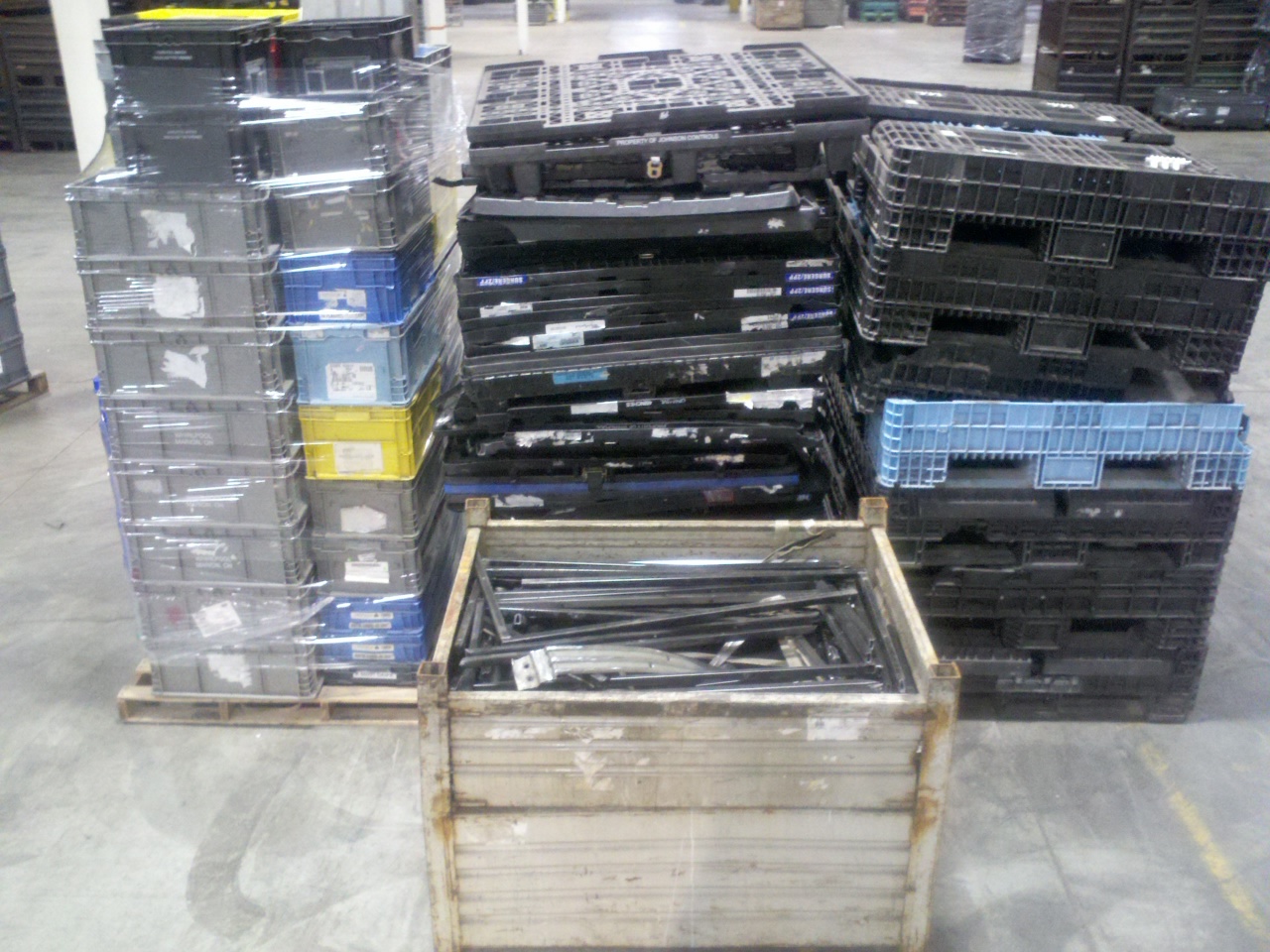
For most plants, obsolete returnable packaging-bulk containers, steel racks, wire baskets, broken pallets-accumulates quietly until it becomes a safety, space, and budget problem. Landfilling looks simple, but once you account for hauling, surcharges, administrative time, and the opportunity cost of floor space, it's often the most expensive option. Selling to a specialist that buys scrap and obsolete returnable packaging converts a housekeeping headache into recovered value while supporting sustainability goals.
The Real Cost of Landfill Disposal
Disposal fees are just the start. Teams spend hours staging scrap, creating ship docs, coordinating pickups, and moving material multiple times with forklifts. If your load includes mixed materials (e.g., steel frames with plastic inserts), you may face contamination penalties. Meanwhile, that dead inventory ties up scarce floor space and blocks more productive activities.By comparison, a sell-side process is streamlined: you provide counts and photos, receive a quote, schedule pickup, and get paid. The internal touches are fewer, the timeline is faster, and your warehouse regains usable capacity.
Sustainability and ESG Advantages
Returnable packaging is built to be repaired, reused, and then recycled at end-of-life. Landfilling destroys embodied value; recycling captures it. Diverting obsolete steel and HDPE from landfill improves diversion metrics and provides a concrete action item for ESG reports. If you operate supplier scorecards or have executive targets around waste reduction, selling scrap is a quantifiable win you can report by weight and material type.
How a Sell Program Works (Step by Step)
1) Assess and document: Tally counts by type (e.g., 45x48x34 bulk bins, steel racks, wire baskets) and capture representative photos.2) Request pricing: Share counts, photos, and pickup location(s) to receive a firm quote.3) Schedule logistics: Align on trailer type, loading method, and any site requirements.4) Process & pay: Material is received, sorted into repair vs. recycle, and you receive either a check or account credit (which many teams apply toward repairs or refurbished replacements).
Financial Upside: Value Recovery vs. Sunk Cost
When you landfill, the best you can do is limit the damage. When you sell, you can offset part of your next purchase, repair batch, or annual maintenance budget. One trailer of obsolete racks can cover a meaningful portion of a refurbished container order, and the cleared space reduces the need for off-site storage or overtime housekeeping.
Risk, Safety, and Compliance
Old racks and damaged containers invite housekeeping and stacking issues. Removing them reduces trip hazards, improves aisle widths, and simplifies 5S audits. For safety managers, proactively retiring unfit assets reduces the risk of collapses or unstable stacks while signaling a strong safety culture.
A Quick Pre-Sale Checklist
- Inventory by type and condition (repairable / non-repairable).• Photograph representative units and any atypical damage.• Consolidate and stage loads close to dock doors.• Decide whether you want a check or to hold proceeds as a credit for future purchases or repairs.• Identify any deadlines (e.g., floor move, audit, or model-year change) so pickup can be scheduled accordingly.
Have scrap or obsolete returnables to clear?
Learn more here or send counts and photos to request pricing and choose between cash or account credit for fastest budget impact.